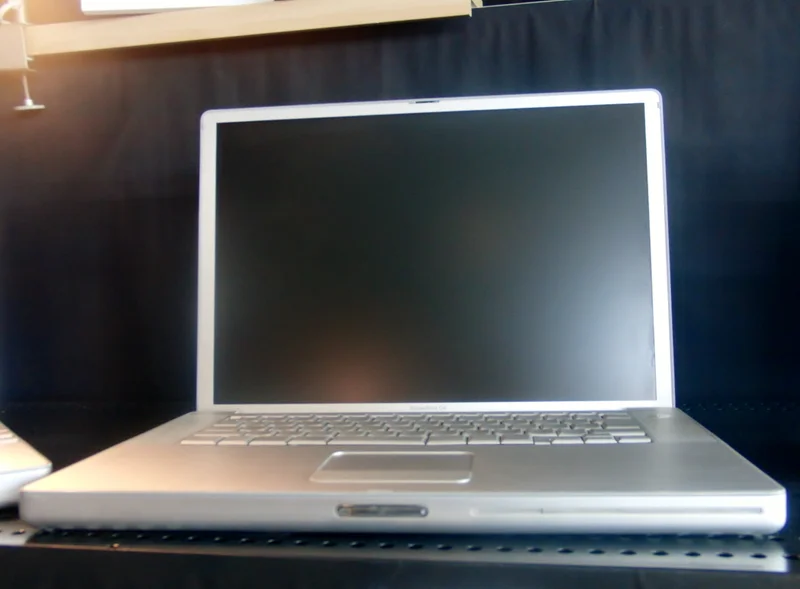
PowerBook G4 (Aluminum)
Aluminum beauty in 12", 15", and 17" sizes. Beloved for build quality and sleek design.
Apple replaced the Titanium PowerBook in January 2003 with anodized aluminum, and this is the shape Mac laptops kept for the rest of the decade. Three sizes. A 12-inch that people carried everywhere, a 15-inch for most buyers, and a 17-inch that was the largest laptop Apple had ever made and the reason a lot of video editors bought one. The material was the point. Titanium had chipped around the edges and the bezels cracked, and aluminum did neither, which is why so many of these machines still exist in working order. A PowerPC 7455, later a 7447A, ran from 867MHz to 1.67GHz across two and a half years. Jaguar and then Panther arrived alongside, and OS X finally felt quick. Centrino was the problem. Intel's mobile platform gave Dell, IBM and Sony far better battery life and, eventually, better performance per clock, and the G4 was visibly running out of road. Owners did not much care. The keyboard, the latch and the sheer solidity of the case built a reputation that outlived the architecture, and the unibody MacBook Pro of 2008 is recognizably descended from it.
Mac History Timeline
Full Specifications
Availability
Processor
Memory
Storage
Display
Graphics
Expansion
Connectivity
Physical
Processor Deep Dive
PowerPC 7455/7447A (G4)
Motorola/FreescaleThe 7455 and later 7447A chips powered the Aluminum PowerBook G4 across clock speeds from 867MHz up to 1.67GHz over its production run, continuing to leverage the AltiVec Velocity Engine for video and audio processing tasks favored by creative professionals. The 7447A, introduced later in the line's life, brought improved power efficiency and higher clock ceilings on a more refined process node. Compared to Intel's Pentium M and Centrino platform, the G4 offered strong media performance per clock but generally trailed in battery life and overall system efficiency as the PowerPC roadmap began to lag Intel's mobile advances. This chip family represented the final generation of G4 mobile processors before Apple's 2006 transition to Intel silicon.
Compatible Operating Systems

Mac OS X 10.2.3
Launch OS2003
Shipped as the factory OS on the original Aluminum PowerBook G4 models.
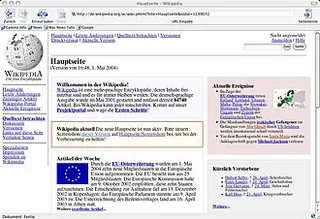
Mac OS X 10.3 Panther
Compatible2003
Widely adopted, bringing notable speed and interface improvements to these laptops.

Mac OS X 10.4 Tiger
Compatible2005
Ran well across the entire Aluminum PowerBook line given clock speeds well above 867MHz.
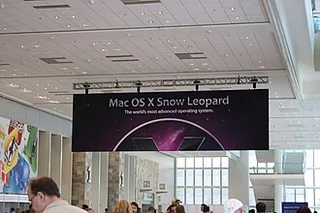
Mac OS X 10.5 Leopard
Max Supported2007
Final PowerPC-supported OS X release, fully compatible across all Aluminum PowerBook G4 configurations.
Reviews & Reception
Widely praised for exceptional build quality and durability across all three sizes, with some concern about battery life versus Centrino-era Windows rivals.
The aluminum finish feels like a genuine upgrade over titanium, both more durable and, somehow, even more refined looking.
The 17-inch model is a desktop-replacement powerhouse for video editors, though battery life trails Centrino-based competitors.
Build quality here rivals anything on the Windows side, and the 12-inch model is the most portable serious Mac laptop yet.
Years on, these PowerBooks still feel remarkably solid, a testament to Apple's materials choices even as the G4 chip shows its age.