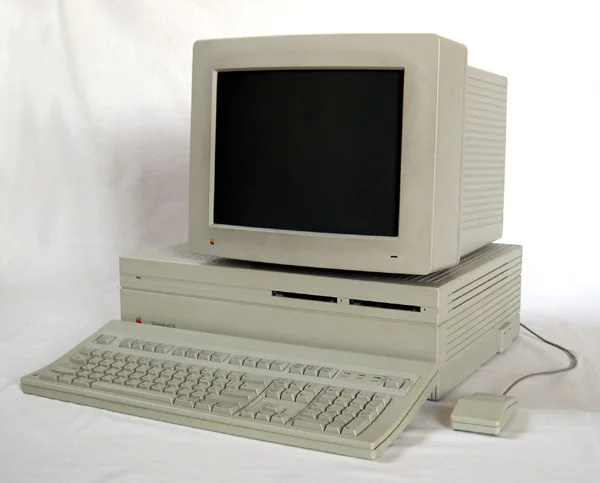
Macintosh IIcx
Smaller, more affordable version of the IIx with 3 NuBus slots instead of 6.
Apple released the IIcx on March 7, 1989 with the IIx's 68030 at the same 16MHz and three NuBus slots instead of six. The slot count was the point. Almost nobody filled six, so Apple cut the number, shrank the case, dropped the price and left the processor alone. Buyers gave up expansion headroom they were not using and kept everything that affected how fast the machine felt. The smaller chassis mattered more than it sounds, because the Mac II and IIx towers were genuinely awkward in offices and labs with limited desk space. Otherwise the two machines were close to identical: same CPU, same optional FPU socket, same FDHD SuperDrive. Reviewers read it as Apple listening, which it was. Universities and small businesses took to it. Then the IIci turned up a few months later with 25MHz and built-in video and took most of the attention, which is roughly the story of the IIcx. It sold steadily into the early 1990s to people who wanted 68030 performance in something that fitted on a desk, and it sits in the middle of the Mac II family without much drama attached to it.
Mac History Timeline
Full Specifications
Availability
Processor
Memory
Storage
Display
Graphics
Expansion
Connectivity
Physical
Processor Deep Dive
Motorola 68030
MotorolaThe IIcx used the same 16MHz 68030 found in the IIx, offering identical raw CPU performance in a smaller, three-slot chassis. Its integrated memory management unit and onboard caches provided the same architectural advantages that made the 68030 a significant step up from the earlier 68020. The chip's balance of performance and manageable heat output made it well suited to the more compact IIcx case design. It would soon be eclipsed within Apple's own lineup by the faster 25MHz 68030 used in the IIci later that same year.
Compatible Operating Systems
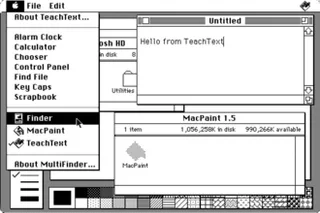
System 6.0.3
Launch OS1989
Shipped with the IIcx, supporting its 68030 architecture and SuperDrive.

System 7.0
Compatible1991
Ran well with adequate RAM, a popular upgrade path for IIcx owners.
System 7.6.1
Max Supported1997
The realistic ceiling for a well-equipped IIcx with maximum RAM installed.
Reviews & Reception
Well received as a practical, cost-effective alternative to the IIx, though soon overshadowed within Apple's own lineup by the faster IIci.
The IIcx trims the Mac II's excess expansion slots that most buyers never used, delivering the same performance in a smaller, more affordable package.
A sensible, well-priced alternative to the IIx for buyers who don't need six NuBus slots they will never fill.
Functionally excellent, but arriving just months before the faster IIci makes the timing of the IIcx feel slightly unfortunate.
A practical, space-conscious take on the Mac II formula that should appeal strongly to universities and small offices.