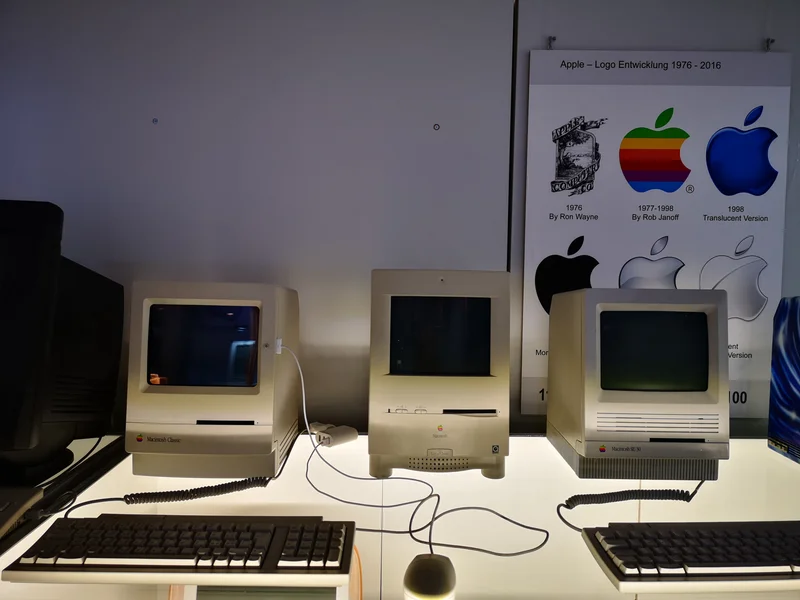
Macintosh Classic
Apple's first Mac under $1,000. Aimed at education and entry-level home users.
The Macintosh Classic went on sale October 15, 1990 as the first Mac under $1,000, which was the entire point of it. PC clones were getting cheap and aggressive, and Apple needed an answer at the bottom of the range. It was an SE with the price cut. Same 9-inch monochrome all-in-one, same internal expansion slot, and a 7.83MHz 68000 rather than the SE/30's 68030, because the 68000 was old and cheap and Apple was chasing a number. So it was no faster than Macs from several years earlier. Some reviewers said as much, particularly with the color-capable LC launching the same morning at a similar price, and the charge that Apple was trading on nostalgia was not unreasonable. It sold anyway. Schools, first-time buyers and anyone who wanted a dependable Mac that ran the existing software library bought it in quantity, and Apple pushed further with a hard-drive-less configuration that undercut even the base price. The Classic is the last of the 68000 compact Macs, seven years after the 128K started the line. The Classic II moved to the 68030 a year later.
Mac History Timeline
Full Specifications
Availability
Processor
Memory
Storage
Display
Graphics
Expansion
Connectivity
Physical
Processor Deep Dive
Motorola 68000
MotorolaThe Classic used the same 7.83MHz 68000 that had powered every compact Mac since 1984, a deliberate and cost-driven choice to hit its historic sub-$1,000 price point rather than any technical necessity. By 1990 this made it noticeably underpowered relative to contemporary 68020 and 68030-based Macs, though it remained fully compatible with the vast existing library of Mac software written for the original architecture. Its continued use highlighted just how mature and well-understood the chip had become after six years of production across multiple Mac generations. It represented the final new Mac release built around this original processor before Apple moved its compact line to the 68030 the following year.
Compatible Operating Systems
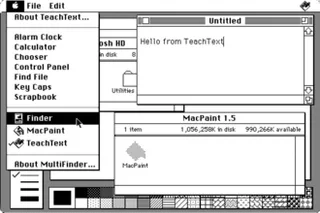
System 6.0.7
Launch OS1990
Shipped with the Classic, offering a familiar, well-tested System 6 experience.
System 6.0.8
Compatible1991
The final polished System 6 release, well matched to the Classic's modest hardware.
System 7.0
Max Supported1991
Ran with maximum RAM but felt sluggish given the unchanged 68000 CPU.
Reviews & Reception
Welcomed for its historic low price and reliability, though widely seen as technologically conservative next to the color-capable LC launched alongside it.
Breaking the thousand-dollar barrier is a genuine milestone, making the Classic the easiest recommendation yet for first-time Mac buyers on a budget.
It is essentially the same Mac we have known since 1984, dependable and familiar, though buyers hoping for more speed will be disappointed.
The Classic plays it safe with an aging processor, leaving the far more interesting innovation to the color-capable LC launched the same day.
For schools and budget buyers who simply want a reliable, well-supported Macintosh, the Classic delivers exactly what is promised at a genuinely accessible price.