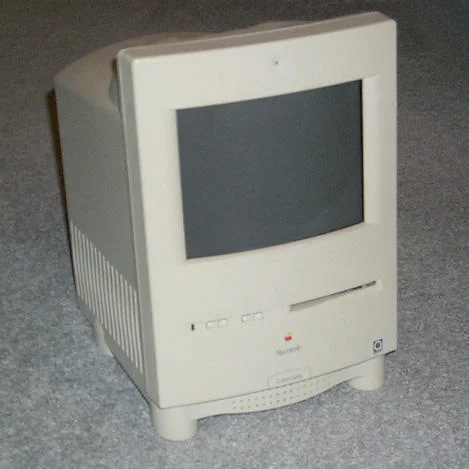
Macintosh Color Classic
First color compact Mac. Retained the all-in-one form factor but brought color to the classic design.
The Color Classic put a 10-inch Sony Trinitron into the compact Mac case on February 10, 1993, which is the first time that shape had color in it. It was not fast. A 68030 at 16MHz was modest for 1993 and nobody bought one for speed. They bought it because the all-in-one silhouette from 1984 finally had a color screen, and because it took up almost no desk. Schools and homes took to it immediately. The LC III arrived weeks later with considerably more performance and a separate monitor, and plenty of buyers chose the Color Classic anyway on footprint and simplicity. The interesting part is underneath. The logic board is essentially an LC II, which means it accepts LC-family upgrades, and the modding community has spent thirty years putting faster 68030s and 68040s into these machines. A stock one strains under anything demanding. A modified one is a different computer entirely. Contemporary criticism focused on the processor and on software written for monochrome that did not yet make much of the color screen. Neither complaint hurt it.
Mac History Timeline
Full Specifications
Availability
Processor
Memory
Storage
Display
Graphics
Expansion
Connectivity
Physical
Processor Deep Dive
Motorola 68030
MotorolaThe Color Classic's 16MHz 68030 was among the slowest implementations of this chip Apple shipped, prioritizing cost containment over raw speed in this entry-level all-in-one design. Despite the modest clock rate, it retained the 68030's integrated MMU, supporting System 7.1's virtual memory features. The chip and supporting logic board were closely derived from the Macintosh LC II, a detail that made the Color Classic a famous target for aftermarket processor upgrades among later hobbyists. It represented an economical, no-frills implementation of Motorola's dependable 68000-family architecture.
Compatible Operating Systems

System 7.1
Launch OS1993
Shipped from the factory as the Color Classic's original operating system.
System 7.5
Compatible1994
Ran, though the modest 16MHz processor made for a noticeably unhurried experience.
System 7.5.5
Max Supported1996
Generally regarded as the practical ceiling given the stock 16MHz 68030 processor.
Mac OS 7.6.1
Compatible1997
Technically installable but impractically slow without a hobbyist processor upgrade.
Reviews & Reception
The Color Classic was warmly received as a charming, nostalgic entry-level color Mac, later achieving cult status among vintage Mac collectors and modders.
The Color Classic brings genuine color to the beloved compact Mac silhouette, a charming, if unhurried, addition to Apple's lineup.
Its 16MHz processor feels modest even by today's standards, but the nostalgia and convenience of the all-in-one design win people over anyway.
A perfect fit for classrooms and home offices that value simplicity and a small footprint over raw computing power.
The Color Classic won't impress power users, but its charm, price, and integrated color screen make it an easy recommendation for casual buyers.