iPhone X
Edge-to-edge OLED, no home button, Face ID and the notch. The template for every iPhone that followed.
Released November 3, 2017 · Discontinued September 12, 2018 · From $999 (64 GB, unlocked)
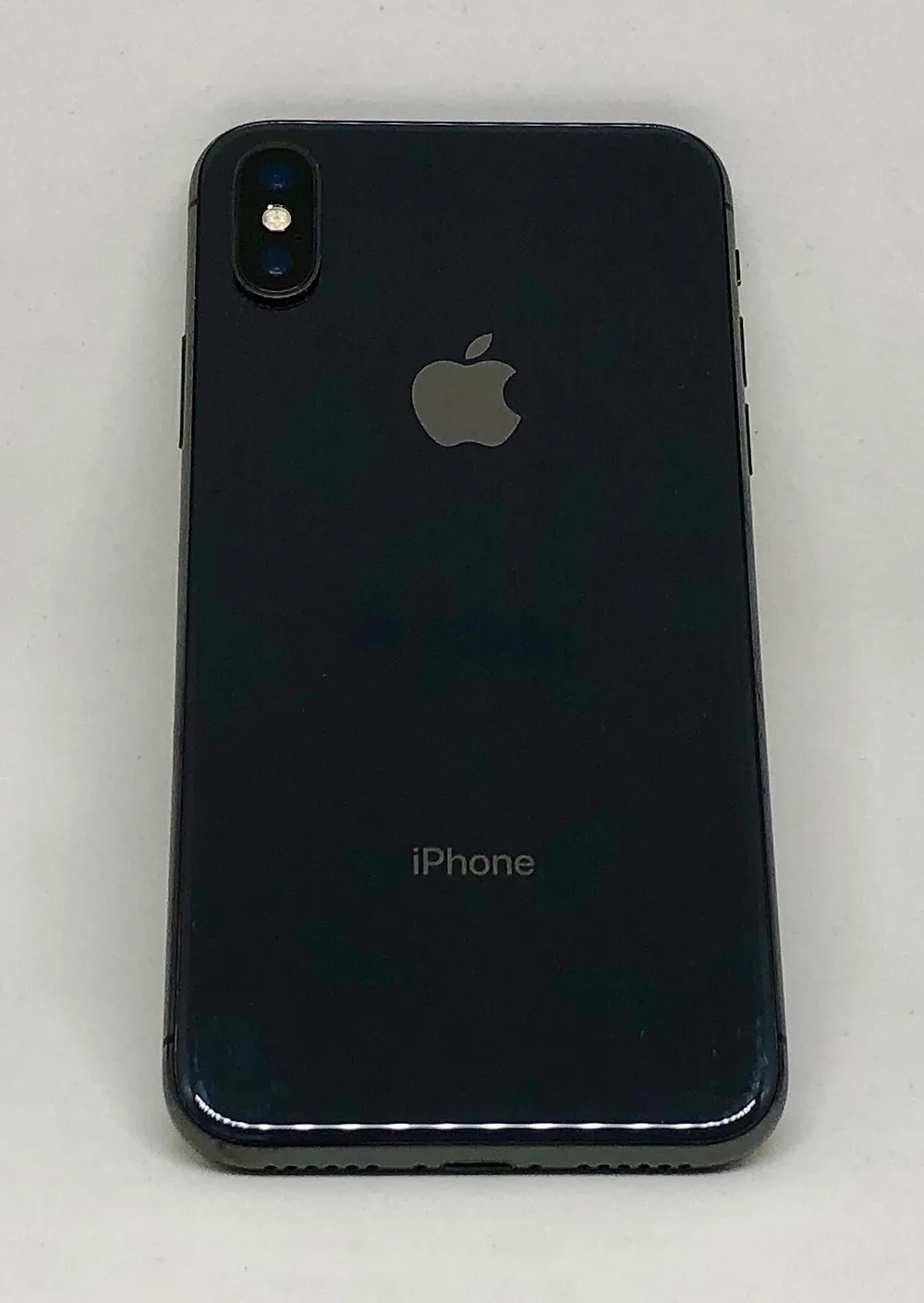
Apple charged $999 for the iPhone X and people paid it. The screen went edge to edge at 5.8 inches, 2436x1125 and 458 pixels per inch, and it was OLED, which Apple had spent years saying was not good enough and then bought from Samsung in enormous quantity. The home button went. Ten years of muscle memory replaced by a swipe up from the bottom, which took about a week to stop feeling wrong and then became how every phone works. Touch ID went with it. Face ID took its place, using a dot projector, an infrared camera and a flood illuminator packed into a notch at the top of the screen that became the most argued-about piece of industrial design of the decade. It also made Animoji, which Apple demonstrated for a surprisingly long time on stage. The stainless steel frame and glass back came from the iPhone 4 playbook, the A11 Bionic came from the 8, and the dual camera got optical image stabilization on both lenses. It shipped November 3, 2017, a month and a half after the 8, and set the shape of every iPhone for the next five years.
Reviews & Reception
Face ID drew most of the attention and mostly survived it, with reviewers reporting high accuracy and occasional failures. The notch divided opinion and the missing home button took everyone a few days to unlearn.
Apple bet enormously big on a bunch of technologies all at once on the iPhone X and it delivered almost across the board.
[The home button's] sudden removal is one of those jarring deletions that Apple is famous for, and it requires some relearning.
One neat Face ID thing: when you first pick up your phone, it hides the content of your notifications until it's verified you're the one looking.
I guarantee that some people will hate the notch and rail against it. The complaints will, I suspect, mostly be from people who do not own or use an iPhone X.