iPhone 3G
Added 3G data and GPS, moved to a plastic shell, and launched the same day as the App Store.
Released July 11, 2008 · Discontinued June 7, 2010 · From $199 (8 GB, with contract)
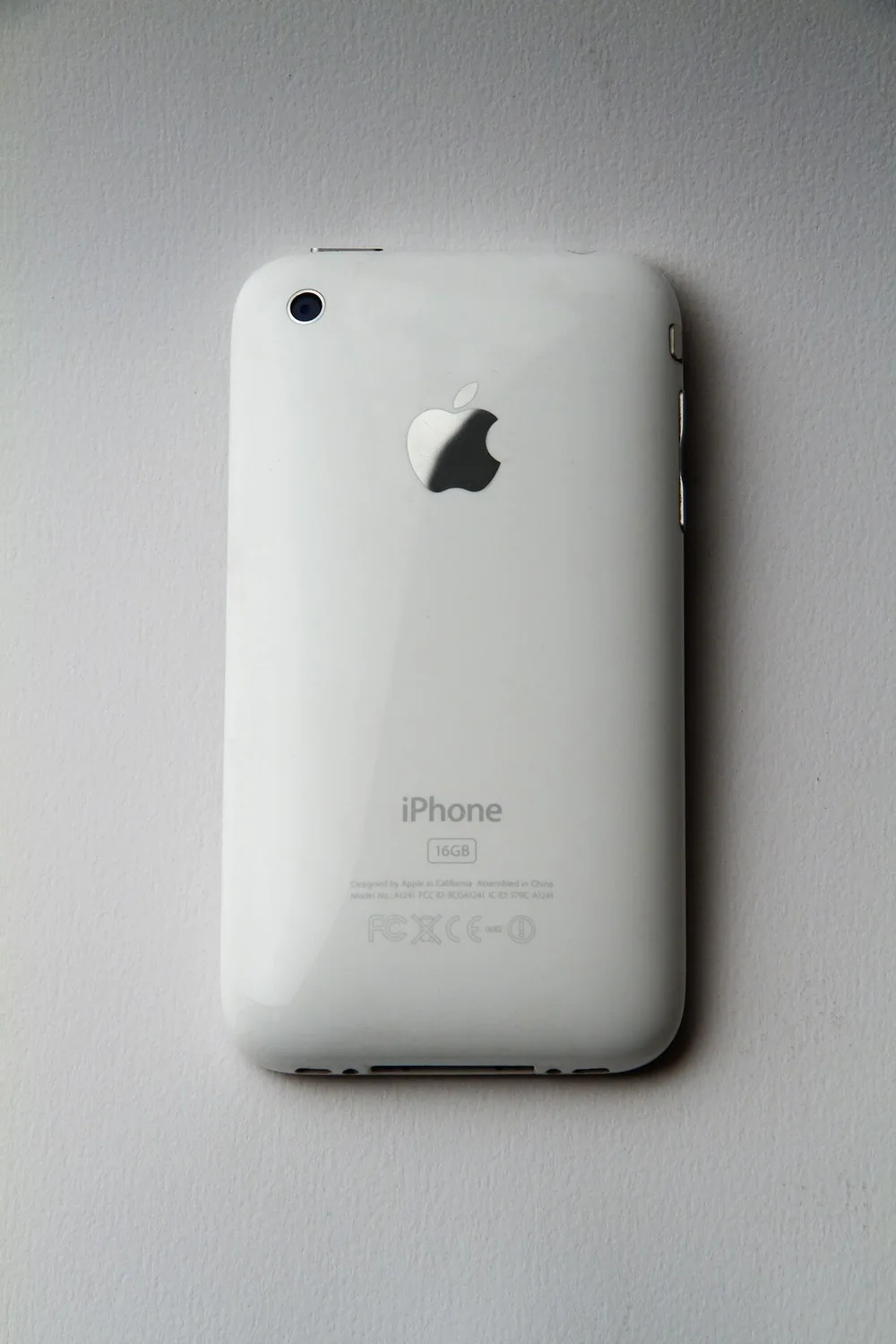
A year on, Apple fixed the two loudest complaints and left the rest alone. The 3G added third-generation cellular data, which made the web usable away from wifi, and GPS, which turned Maps from a guess into navigation. Everything else carried over: the 412MHz ARM11, 128MB of RAM, the 3.5-inch 320x480 screen, and a 2-megapixel camera that still could not shoot video. The back changed from aluminum to glossy plastic, partly for radio transmission and partly for cost. Apple dropped the price to $199 for 8GB on contract, half what the original had cost, and moved to a subsidy model that spread the real price across the carrier bill. The App Store opened the same day, July 11, 2008. That mattered more. Within a year developers had shipped tens of thousands of applications, and the phone stopped being a device Apple wrote software for and started being a platform other people built on. Battery life took the hit every 3G radio took in 2008, and plenty of owners noticed. Apple sold roughly a million over the opening weekend.
Reviews & Reception
Reviewers welcomed the 3G radio, GPS and the lower price, and were united on the cost: the faster radio ate the battery, and the sealed cell meant you could not carry a spare.
Overall, I found it to be a more capable version of an already excellent device.
If you've been waiting to buy an iPhone until it dropped in price, or ran on faster cell networks, you might want to take the plunge, if you can live with the higher service costs and the weaker battery life.